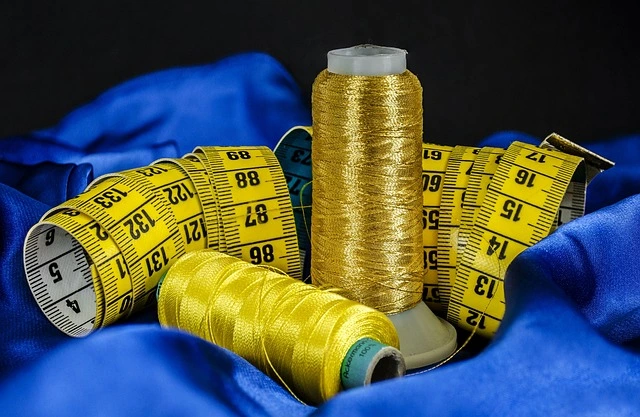
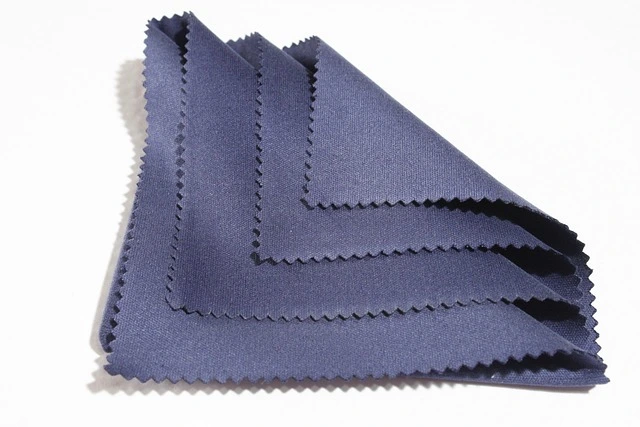
Here are some of the key differences between the Cotton and microfiber :
Material: Cotton is a natural fiber that comes from the cotton plant. Microfiber is a synthetic material made from polyester or nylon.
Texture: Cotton has a soft and natural feel, while microfiber is smooth and silky to the touch.
Absorbency: Cotton is highly absorbent and can hold up to 27 times its weight in water. Microfiber is also absorbent, but it can hold up to seven times its weight in water.
Durability: Cotton is a durable material that can withstand regular use and washing. Microfiber is also durable, but it may not hold up as well as cotton over time.
Care: Cotton is easy to care for and can be machine washed and dried. Microfiber is also easy to care for, but it may require special care instructions depending on the manufacturer.
When it comes to clothing, microfiber is often used in athletic wear because it’s lightweight, breathable, and wicks moisture away from the skin. Cotton, on the other hand, is a popular choice for everyday clothing because of its soft feel, durability, and versatility. Both materials have their benefits and drawbacks, so the choice between the two ultimately comes down to personal preference and the intended use of the clothing.
Microfiber is a synthetic material made from polyester or nylon fibers that are smaller than a strand of silk. Here are some of the benefits of using microfiber:
Softness: Microfiber is known for its softness and smooth texture. This makes it comfortable to wear, especially in clothing like athletic wear, where you want the fabric to be lightweight and breathable.
Absorbency: Microfiber is highly absorbent, making it great for use in cleaning cloths and towels. It can absorb up to seven times its weight in water, making it a popular choice for cleaning up spills and messes. Unlike cotton which is known for its high absorbency. It can absorb up to 27 times its own weight in water.
Quick drying: Because microfiber is so absorbent, it also dries quickly. This is beneficial for items like towels, which need to dry quickly to prevent mildew and bacteria growth.
Durability: Microfiber is a durable material that can withstand regular use and washing. It’s resistant to shrinking, stretching, and wrinkling, making it a popular choice for clothing and home textiles.
Easy to clean: Microfiber is easy to clean and maintain. It can be machine washed and dried, and it’s resistant to fading and pilling.
Hypoallergenic: Microfiber is often hypoallergenic, making it a good choice for people with sensitive skin or allergies. Moreover you can look at this .
Overall, microfiber is a versatile and durable material that’s used in a variety of products, from clothing and bedding to cleaning cloths and towels. Its softness, absorbency, quick drying time, and easy care make it a popular choice for many applications. For more information click here.
Microfiber is a versatile material that can be used to create fashionable clothing that’s both comfortable and functional. Here are some ways that microfiber is being used in fashion:
Athletic wear: Microfiber is a popular choice for athletic wear because it’s lightweight, breathable, and wicks moisture away from the skin. This makes it perfect for workout clothes like leggings, shorts, and tanks.
Outerwear: Microfiber is also being used in outerwear like jackets and coats. It’s lightweight yet warm, making it perfect for layering in colder weather.
Dresses and skirts: Microfiber can be used to create flowy, comfortable dresses and skirts. Its softness and draping qualities make it ideal for creating feminine styles.
Accessories: Microfiber is being used to create a variety of accessories, including scarves, hats, and gloves. These items are lightweight and easy to pack, making them ideal for travel.
Overall, microfiber is a versatile material that can be used to create a range of fashionable clothing and accessories. Its softness, breathability, and durability make it a popular choice for people who want to look stylish while also being comfortable and functional.
Microfiber is an excellent material for athletic wear due to its unique properties, which make it comfortable and functional for sports and other physical activities. Here are some of the ways that microfiber helps in athletic wear:
Moisture-wicking: Microfiber is a highly moisture-wicking material, which means it draws sweat away from the skin and allows it to evaporate quickly. This helps keep the body cool and dry during exercise, reducing the risk of chafing and irritation.
Lightweight: Microfiber is a lightweight material that doesn’t weigh the wearer down during physical activity. This makes it ideal for running, yoga, and other activities where freedom of movement is essential.
Breathable: Microfiber is a breathable material, which means it allows air to flow through the fabric. This helps regulate body temperature and prevent overheating during intense exercise .
Durable: Microfiber is a durable material that can withstand regular use and washing. This makes it ideal for athletic wear that needs to hold up to frequent wear and tear.
Soft and comfortable: Microfiber is a soft and comfortable material that feels great against the skin. This is important for athletic wear, as it needs to be comfortable enough to wear for long periods without causing irritation or discomfort.
Overall, microfiber is an excellent material for athletic wear due to its moisture-wicking, lightweight, breathable, durable, and comfortable properties. It helps keep athletes cool, dry, and comfortable during intense physical activity, making it a popular choice for workout clothes, sports bras, and other athletic apparel.
Microfiber quilts are a popular choice for bedding due to their softness, lightweight, and durability. Here are some of the benefits of microfiber quilts:
Softness: Microfiber is an ultra-soft material that feels great against the skin. This makes microfiber quilts incredibly comfortable and cozy, which is perfect for cold winter nights.
Lightweight: Microfiber is a lightweight material that doesn’t weigh you down while sleeping. This makes microfiber quilts ideal for people who prefer a lightweight bedding option. Additionally, the breathability of cotton also makes it a good choice for bedding, as it can help regulate body temperature during sleep.
Warmth: Microfiber is also a warm material that can keep you cozy and comfortable even the coldest nights. Microfiber quilts are designed to trap heat in, so you stay warm and comfortable throughout the night.
Durability: Microfiber is a durable material that can withstand regular use and washing. This means that microfiber quilts can last for many years without showing signs of wear and tear.
Hypoallergenic: Microfiber is a hypoallergenic material, which means it’s less likely to cause allergic reactions. This is perfect for people with sensitive skin or allergies. Furthermore information click here.
Easy to clean: Microfiber quilts are easy to clean and maintain. They can be machine-washed and dried without losing their softness or shape.
Overall, microfiber quilts are a great choice for anyone looking for a soft, lightweight, warm, and durable bedding option. Their hypoallergenic properties and ease of maintenance make them perfect for people with sensitive skin or allergies, while their warmth and softness make them ideal for cold winter nights.
Hypoallergenic means that a material is less likely to cause an allergic reaction in people who are sensitive to certain substances. In the case of microfiber, it is considered hypoallergenic because it does not contain natural fibers like wool, down, or feather that can cause allergic reactions in some people. Additionally, microfiber is tightly woven, which means that it is less likely to trap dust, dirt, and other allergens that can cause allergic reactions.
Microfiber is also an easy to clean material, which helps to reduce the build-up of allergens. It can be machine washed and dried at high temperatures, which helps to kill bacteria and other microorganisms that can cause allergic reactions.
For people with sensitive skin or allergies, hypoallergenic bedding materials like microfiber can be an excellent choice. They can help to reduce the risk of allergic reactions, improve sleep quality, and provide a comfortable and cozy sleeping environment. However, it’s important to note that some people may still be allergic to microfiber, so it’s always a good idea to test the material on a small area of the skin before using it for an extended period
While microfiber has many advantages, there are also some potential disadvantages to consider. These include:
Heat retention: Microfiber fabrics can trap body heat, which may make them uncomfortable to wear in warm weather or during intense physical activity.
Lack of breathability: Microfiber fabrics are not as breathable as natural fibers like cotton or linen. This can make them less comfortable to wear in hot weather or during physical activity.
Durability issues: While microfiber is generally a durable material, it can be prone to pilling, snagging, and other signs of wear and tear over time.
Environmental concerns: Microfiber is made from synthetic materials, which can take a long time to decompose in landfills. Additionally, the production of microfiber fabrics can generate pollutants that can harm the environment.
Static electricity: Microfiber fabrics can generate static electricity, which can be uncomfortable and make clothes or bedding clingy.
It’s important to weigh the advantages and disadvantages of microfiber before deciding if it’s the right choice for your needs. While it may not be suitable for everyone, microfiber can be a good option for those looking for a soft, durable, and easy-to-care-for fabric.
I. Introduction In the dynamic world of fashion, where trends evolve and styles change, MadrasThreads emerges as a beacon of timeless elegance. As a distinguished…
Introduction In the frosty embrace of winter, there’s an intrinsic desire for warmth and comfort that transcends mere necessity – it’s a cultural yearning. This…
Introduction In the ever-evolving landscape of fashion, certain elements stand the test of time, weaving themselves into the fabric of style across generations. One such…