
MadrasThreads: Unveiling the Essence of Best 5 South Indian Elegance
I. Introduction In the dynamic world of fashion, where trends evolve and styles change, MadrasThreads emerges as a beacon of timeless elegance. As a distinguished…
Himachal Pradesh, nestled in the Himalayan foothills, boasts a cultural tapestry woven with threads of tradition and history. Central to this vibrant heritage is the distinctive attire that reflects the region’s diverse landscapes and communities. In this exploration, we embark on a journey to uncover the elegance of Himachali attire, understanding its historical roots, the symbolism behind each garment, and its contemporary relevance. Know more about Himachali Attire and Culture on this site.
Himachal Pradesh’s traditional clothing finds its origins deeply rooted in the historical and geographical nuances of the region. As we delve into the past, we discover a fascinating evolution of Himachali dress styles. The garments worn by the people of Himachal Pradesh have been shaped by the region’s diverse topography and climatic conditions. From the snow-clad peaks of the Himalayas to the lush valleys, each area has contributed to the unique clothing choices of its inhabitants.
Himachal Pradesh is a land of diverse cultures and communities, and this diversity is reflected in the variety of traditional attire worn across the region. From the colorful costumes of Kullu to the distinctive Pahari style, each area has its own sartorial identity. The traditional garments include the iconic ‘pahari topi,’ a cap adorned with intricate embroidery, the ‘chola,’ a long gown-like dress, and the ‘dhatu,’ a distinctive headgear worn during special occasions. Know more about Himachali Cap at this site.
The beauty of Himachali attire lies in its intricate details and embellishments. The garments are often adorned with vibrant colors, reflecting the rich cultural heritage of the region. The embroidery work, known for its precision and skill, tells stories of tradition and craftsmanship. Whether it’s the geometric patterns of Kullu shawls or the intricate motifs on a chola, each piece of Himachali attire is a work of art.
Colors play a significant role in Himachali attire, with each hue holding cultural and symbolic importance. Red, symbolizing auspiciousness and fertility, is often prominent in wedding attire, while green and yellow represent nature and prosperity. The intricate patterns and motifs tell stories of folklore, mythology, and the symbiotic relationship between the people and their surroundings.
Himachali attire is not merely a form of clothing; it is a cultural expression deeply woven into the fabric of daily life. Special occasions, such as weddings and festivals, provide a platform for the donning of these traditional garments. The rituals associated with dressing in Himachali attire add layers of meaning to the clothing, making it an integral part of ceremonies and celebrations.
In a world where cultural identities are often at risk of dilution, Himachali attire serves as a powerful symbol of identity and pride. The distinctiveness of the clothing allows Himachalis to proudly showcase their heritage, fostering a sense of belonging and unity among the communities. The garments become a visual language that speaks volumes about the wearer’s roots and cultural affiliation.
While rooted in tradition, Himachali fashion is not immune to the winds of change. Modern reinterpretations of traditional attire have found their way into mainstream fashion, breathing new life into age-old designs. Contemporary designers are embracing the elegance of Himachali clothing, incorporating elements into their collections, thus ensuring the continuation of this rich legacy.
The global fashion industry is increasingly recognizing the allure of Himachali attire. From fashion runways to celebrity red carpets, the influence of Himachali fashion is making its mark on the world stage. The unique blend of vibrant colors, intricate embroidery, and timeless silhouettes has captivated the attention of fashion enthusiasts seeking a connection to cultural roots.
As traditional attire evolves, there is a delicate balance to be struck between preserving heritage and embracing contemporary trends. Designers and artisans are navigating this balance with finesse, creating pieces that honor tradition while appealing to modern sensibilities. The fusion of old and new ensures that Himachali attire remains relevant and accessible to new generations.
At the heart of Himachali attire lies the skilled craftsmanship of local artisans. Passed down through generations, these artisans are the custodians of traditional techniques, ensuring that each piece is a testament to their expertise. The meticulous embroidery, handwoven fabrics, and attention to detail showcase the dedication of these artisans in preserving the authenticity of Himachali clothing.
In a world dominated by mass production, the handcrafted elements of Himachali attire stand as a testament to the value of slow fashion. The intricate embroidery, handwoven textiles, and personalized touches make each garment a unique work of art. Embracing handcrafted elements not only supports local economies but also contributes to the sustainability of traditional craftsmanship. Visit this site.
The global shift towards sustainable and ethical fashion aligns seamlessly with the ethos of Himachali attire. The use of natural fibers, traditional dyeing methods, and a focus on longevity over fast fashion trends contribute to a more sustainable industry. By embracing these practices, the fashion world can not only preserve cultural heritage but also contribute to a more conscious and responsible future.
Festivals in Himachal Pradesh are a riot of colors and a showcase of traditional attire. Whether it’s the vibrant costumes during the Kullu Dussehra or the resplendent garments worn during Diwali, each festival brings forth a unique display of Himachali fashion. The attire worn during these celebrations becomes a visual feast, connecting people to their roots and adding to the festive spirit.
During festivals, the traditional attire undergoes subtle variations and additions. Accessories like jewelry, belts, and shawls take center stage, complementing the main garments. These festive variations not only add to the overall aesthetic but also showcase the versatility of Himachali attire, adapting to the celebratory spirit of each occasion.
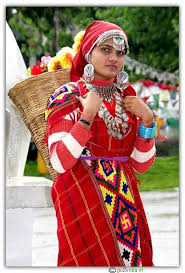
Himachali attire is a reflection of the region’s cultural diversity. The variations in styles, colors, and motifs celebrate the myriad communities that call Himachal Pradesh home. During festivals and celebrations, this diversity is on full display, creating a visual spectacle that reinforces the cultural richness of the region. Himachali attire becomes a unifying force, bringing people together in the spirit of celebration.
Preserving cultural heritage in the face of modernization and globalization poses challenges, but it also opens doors to new opportunities. Himachali fashion must navigate the delicate balance between tradition and progress, ensuring that future generations continue to appreciate and embrace their cultural identity through attire.
Numerous initiatives and organizations are working towards supporting local artisans and preserving traditional craftsmanship. From skill development programs to market access initiatives, these efforts are crucial in ensuring that the knowledge and skills passed down through generations continue to thrive.
As Himachali attire gains recognition on the global stage, there is immense potential for its influence to reach far beyond the borders of Himachal Pradesh. The unique charm and cultural significance embedded in these garments can contribute to a more inclusive and diverse representation in the global fashion landscape.
In conclusion, the elegance of Himachali attire transcends mere clothing; it is a living testament to a rich cultural heritage that continues to thrive in the modern world. From the historical roots and regional variations to the symbolism, craftsmanship, and contemporary adaptations, Himachali attire stands as a symbol of resilience and identity. As we navigate the delicate dance between tradition and progress, it is imperative to appreciate, celebrate, and preserve the timeless elegance of Himachali dress for generations to come.
