
MadrasThreads: Unveiling the Essence of Best 5 South Indian Elegance
I. Introduction In the dynamic world of fashion, where trends evolve and styles change, MadrasThreads emerges as a beacon of timeless elegance. As a distinguished…
Sustainable fashion has been a growing trend for several years now, and it’s not slowing down anytime soon. More and more consumers are becoming aware of the impact of fast fashion on the environment and are seeking out brands that use sustainable and ethical practices. Expect to see a rise in eco-friendly fabrics, recycled materials, and clothing that is made to last.
Oversized clothing has been a trend for a while now, but it’s still going strong in 2023. From oversized blazers to baggy jeans and loose-fitting dresses, expect to see more and more people embracing this comfortable and stylish trend.
This year, it’s all about making a statement with bold prints and colors. Think bright neon hues, graphic prints, and patterns that are sure to turn heads. Whether you’re going for a head-to-toe look or just adding a pop of color to your outfit, this trend is all about making a statement.
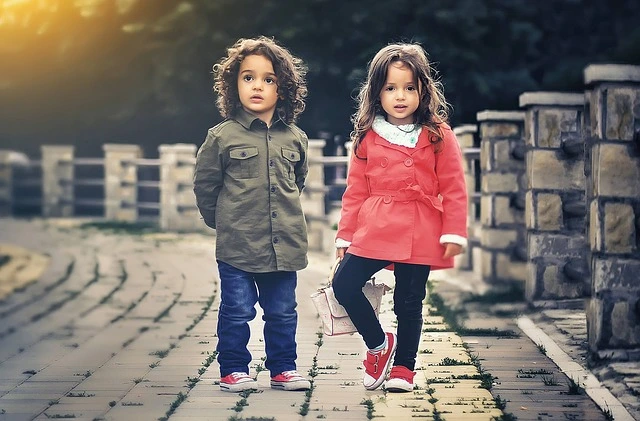
The ’70s and ’80s are making a comeback in 2023. From bell-bottoms to oversized sunglasses, expect to see plenty of retro-inspired looks this year. Think high-waisted pants, bold prints, and lots of denim.
Athleisure has been a trend for a while now, but it’s still going strong in 2023. This trend is all about combining athletic wear with casual pieces to create a stylish and comfortable look. Expect to see more joggers, hoodies, and sneakers on the streets this year.
Sheer fabrics are a popular trend for 2023, adding a touch of elegance and sophistication to any outfit. From sheer blouses to dresses and skirts, this trend is all about playing with transparency and layering to create a unique and eye-catching look.
Accessories are always a crucial part of any fashion trend, and this year is no exception. Expect to see plenty of oversized hats, statement jewelry, and chunky boots to complete your outfits. The focus is on bold, statement pieces that make a statement and add a touch of drama to any look.
In conclusion, 2023 is shaping up to be an exciting year for fashion. From sustainable fashion to bold prints and colors, retro vibes, and athleisure, there’s something for everyone. So, whether you’re looking to update your wardrobe or just experiment with new styles, there are plenty of trends to explore and embrace this year.
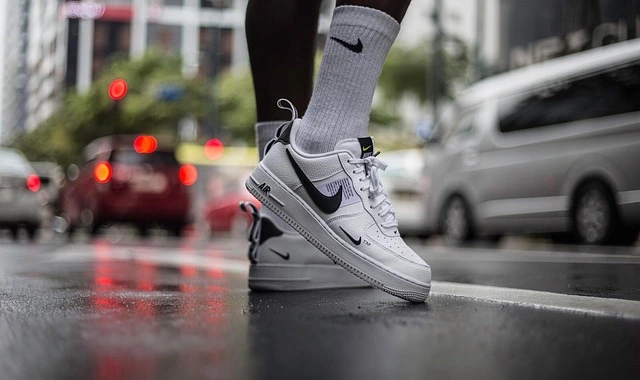
Sustainability has become a hot topic in the fashion industry. Consumers are becoming more aware of the impact of fast fashion on the environment and are seeking out sustainable and ethical options. As a result, more brands are adopting sustainable practices, using eco-friendly fabrics, and recycling materials to create their collections.
The fashion industry has made strides in promoting diversity and inclusion. Models of different races, sizes, ages, and abilities are now being represented in campaigns and on the runway. Brands are also creating inclusive clothing lines that cater to a broader range of body types.
Gender-neutral fashion is another significant trend that has emerged over the past few years. Clothing lines are now being created that are not specifically designed for men or women but can be worn by anyone. This trend aims to break down traditional gender barriers and promote a more inclusive approach to fashion.
Streetwear has had a significant influence on fashion in the last few years, with casual, comfortable clothing becoming more mainstream. Brands have started to incorporate streetwear elements into their collections, such as oversized hoodies, graphic t-shirts, and sportswear-inspired pieces.
Online shopping has become the preferred way to shop for many consumers, and the fashion industry has had to adapt to this shift. Brands are investing in online platforms, creating engaging social media content, and offering more personalized experiences for their customers.
One of the primary reasons why online shopping has become so popular is because of the convenience it offers. Consumers can shop from the comfort of their own homes, without having to leave the house, find parking, or navigate crowded stores.
Online shopping also offers a wider selection of products than traditional brick-and-mortar stores. Consumers can browse and shop from a vast range of products, from anywhere in the world, without having to travel to different locations.
Online shopping platforms also offer personalized shopping experiences, using algorithms to recommend products based on consumers’ browsing and purchase history. This feature enables consumers to discover new products that they may not have found otherwise.
Online shopping platforms often offer competitive pricing, as they do not have to pay for overhead costs like rent and salaries for sales associates. This enables them to offer discounts and promotions, making it more affordable for consumers to purchase fashionable clothing and accessories.
Online shopping platforms also allow consumers to read reviews and ratings from other customers who have purchased the same product. This feature enables consumers to make informed purchasing decisions and avoid buying products that may not be of good quality.
In conclusion, online shopping has become a popular trend in the fashion industry because of the convenience, wide selection, personalization, competitive pricing, and access to reviews and ratings that it offers. The growth of online shopping has led to the creation of new business models, such as direct-to-consumer brands, and has forced traditional brick-and-mortar stores to adapt to this new trend. As technology continues to evolve, online shopping is likely to remain a significant trend in the fashion industry.
The fashion industry has also seen significant advancements in technology and innovation. Brands are using 3D printing, virtual and augmented reality, and artificial intelligence to create more efficient and sustainable production processes, personalized clothing, and virtual try-on experiences.
In conclusion, the fashion industry has undergone significant changes in the last 5 years, driven by consumer demand for sustainability, diversity, inclusivity, and convenience. These trends have paved the way for a more inclusive and sustainable future for the industry.
Sustainable fashion is becoming increasingly important as more people become aware of the negative impact that the fashion industry has on the environment and society. Here are some of the reasons why sustainable fashion is necessary:
The fashion industry is a significant contributor to environmental pollution. The production of clothing requires large amounts of energy, water, and chemicals, which leads to pollution and greenhouse gas emissions. The use of unsustainable materials such as virgin polyester, cotton, and leather are also environmentally damaging. Sustainable fashion aims to reduce the environmental impact of fashion production by using eco-friendly materials and manufacturing processes.
The fashion industry is also known for its unethical labor practices. Many fashion brands outsource their production to factories in developing countries where workers are paid very low wages and work in unsafe conditions. Sustainable fashion focuses on creating products in ethical conditions, with fair wages and safe working conditions.
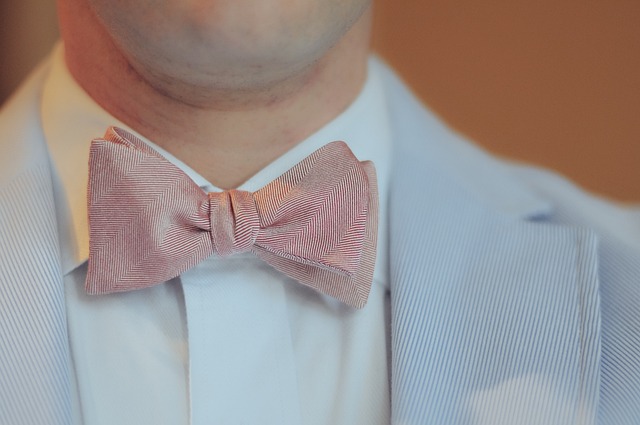
The traditional fashion industry follows a linear model of production, where clothes are produced, sold, and eventually discarded. Sustainable fashion advocates for a circular economy, where clothes are produced from recycled materials, designed to last longer and can be easily repaired, reused, or recycled.
Consumers are becoming more aware of the impact that their purchasing decisions have on the environment and society. They are now seeking out sustainable and ethical fashion options, which has led to an increase in demand for sustainable fashion.
In conclusion, sustainable fashion is necessary because of the negative impact that the traditional fashion industry has on the environment, society, and economy. By adopting sustainable practices, the industry can reduce its environmental impact, improve working conditions, promote ethical practices, and contribute to the circular economy. As consumers become more aware of the impact of fashion on the environment and society, the demand for sustainable fashion will only continue to grow.
Streetwear originated as a fashion movement among urban youth in the United States during the early 1980s. It was heavily influenced by hip-hop culture and graffiti art, and its aesthetic was characterized by baggy clothes, bold graphic prints, and athletic wear.
In the 1990s, streetwear began to gain mainstream popularity, as celebrities like Tupac and Will Smith began wearing brands like Tommy Hilfiger and FUBU. The rise of streetwear brands like Supreme and BAPE in the 2000s cemented streetwear’s place in mainstream fashion.
In recent years, streetwear has become increasingly collaborative. Streetwear brands have partnered with luxury fashion houses, resulting in collaborations between brands like Louis Vuitton and Supreme, and Off-White and Nike.
As sustainability becomes a more significant concern in the fashion industry, streetwear brands are also beginning to incorporate eco-friendly materials and production methods into their designs. Brands like Patagonia and The North Face have been at the forefront of this trend.
Streetwear has also become more gender-neutral, with brands offering unisex designs and gender-fluid collections. Brands like Hood by Air and Telfar have challenged traditional gender norms with their designs.
In conclusion, streetwear has undergone significant changes over the past few decades, from its origins in hip-hop culture to its current mainstream popularity. Collaboration, sustainability, and gender-neutrality are all significant trends in contemporary streetwear. Streetwear’s evolution is a reflection of the wider cultural changes taking place in society, including the growing importance of sustainability, inclusivity, and collaboration.
